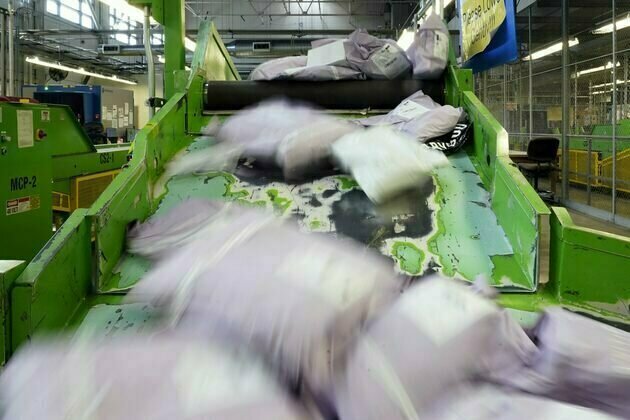
Australia's small business shipments are caught in the US-China trade war crossfire
The Conversation
28 Aug 2025, 01:37 GMT+10
 Share
Share
 Tweet
Tweet
 Share
Share
 Flip
Flip
 Email
Email
Subscribe and Follow
Get a daily dose of Manufacturing Mirror news through our daily email, its complimentary and keeps you fully up to date with world and business news as well.


News RELEASES
Publish news of your business, community or sports group, personnel appointments, major event and more by submitting a news release to Manufacturing Mirror.
More InformationAustralia's small business shipments are caught in the US-China trade war crossfire
Share article Print article Until this week, thousands of Australian small businesses that exported to the United States relied...
Bangladesh Interim govt vows swift action against provocative activities near Chandranath Hill

Dhaka [Bangladesh], August 27 (ANI): The Bangladesh interim government will take action as soon as signs of provocative activities...
Feature: German businessman John Rabe's diaries bear witness, defy silence on Nanjing Massacre
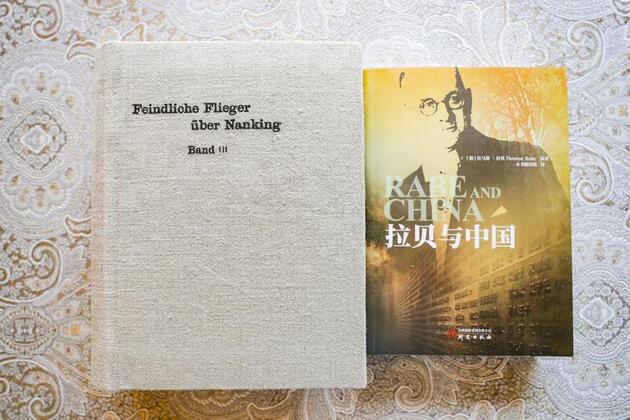
John Rabe's great-grandson believes it was the right and courageous decision to publish his diaries. These diaries are an invaluable...
Russian ally announces strategic partnership with UK
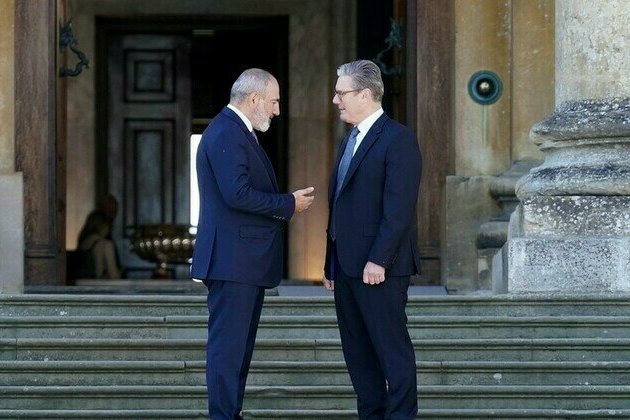
Armenia expects closer security ties and economic benefits from Britain Armenia has established a strategic partnership with the...
"We had some work that also flopped": Kanpur businessmen express disappointment on US tariffs on Indian imports

Kanpur (Uttar Pradesh) [India], August 27 (ANI): As the US 50 per cent tariff on Indian imports comes into effect from Wednesday, leather...
BJP, Congress trade barbs over law and order in Haryana during Assembly debate
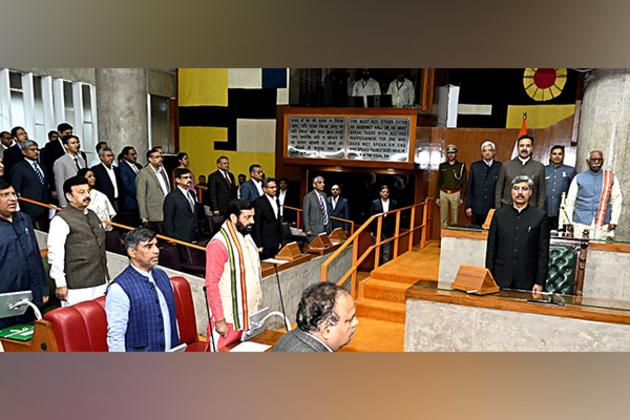
By Anamika Tiwari Chandigarh (Haryana) [India], August 27 (ANI): In a heated debate in the Haryana Assembly, the opposition Congress...
Waymo approved to run self-driving car trials in NYC with operators

NEW YORK CITY, New York: Alphabet's Waymo has secured its first permit to test autonomous vehicles in New York City. This allows the...
Trump, Lee Jae Myung to discuss alliance, tariffs, and investments
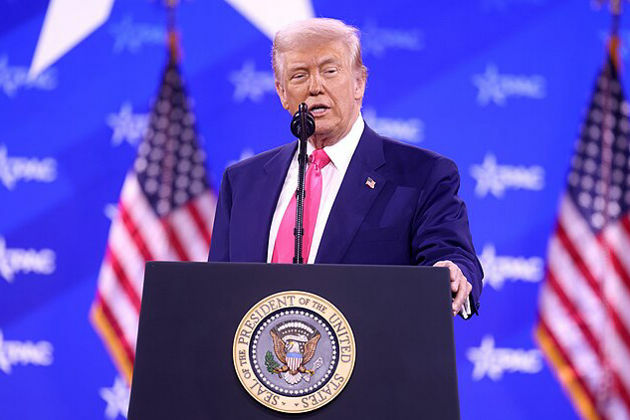
SEOUL, South Korea: When U.S. President Donald Trump meets South Korean President Lee Jae Myung in Washington on Monday, the two leaders...
Interview: IMF official lauds China's strong economic data, targeted fiscal policies
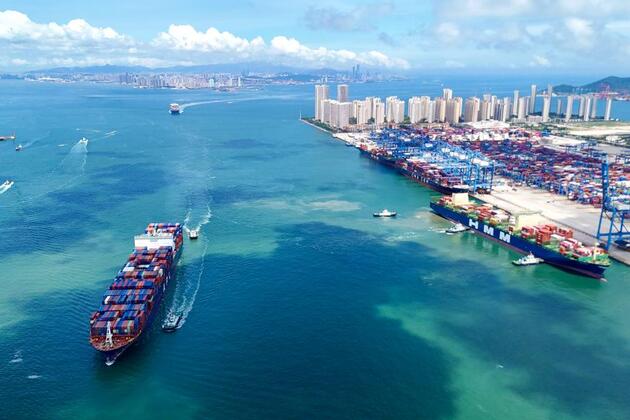
The International Monetary Fund has upgraded China's growth forecast in 2025, citing stronger-than-expected economic data in the first...
China pilots use of NEVs as mobile power banks to benefit citizens, grids
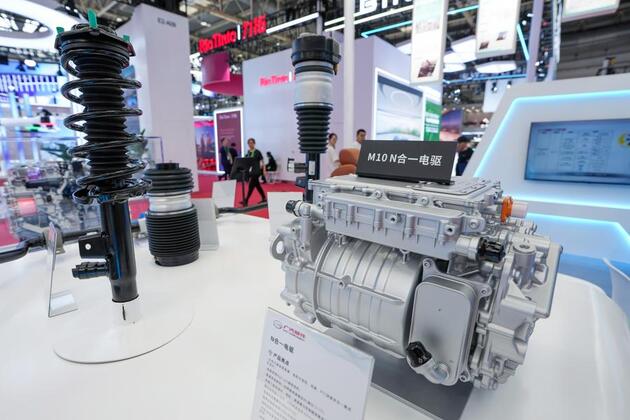
GUANGZHOU, Aug. 27 (Xinhua) -- A Guangzhou resident surnamed Chen has made a tidy sum of more than 200 yuan (about 28 U.S. dollars)...
CHINA-JILIN-CHANGCHUN-FAW-CHINA-EUROPE FREIGHT TRAIN SERVICE-LAUNCH (CN)
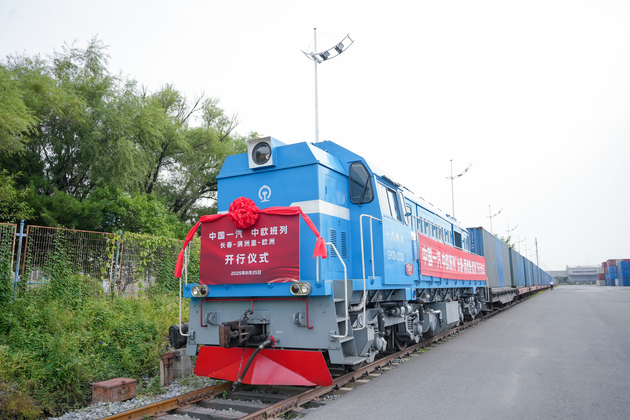
(250827) -- CHANGCHUN, Aug. 27, 2025 (Xinhua) -- This photo taken on Aug. 25, 2025 shows a China-Europe freight train, loaded with...
Prime Minister Modi receives heartfelt farewell at Ahmedabad airport
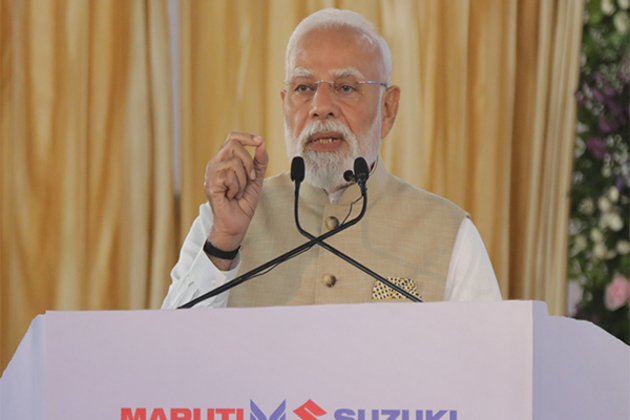
Gandhinagar (Gujarat) [India], August 26 (ANI): Prime Minister Narendra Modi, after concluding his two-day visit to Gujarat, departed...