


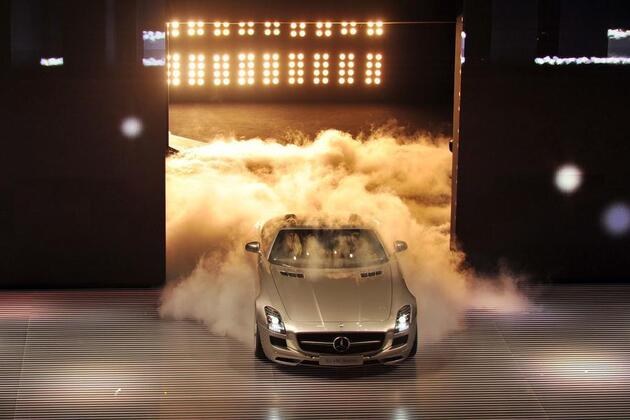
140 years on, Germany's auto industry faces defining transformation
Xinhua
30 Jan 2026, 02:45 GMT+10
 Share
Share
 Tweet
Tweet
 Share
Share
 Flip
Flip
 Email
Email
Subscribe and Follow
Get a daily dose of Manufacturing Mirror news through our daily email, its complimentary and keeps you fully up to date with world and business news as well.


News RELEASES
Publish news of your business, community or sports group, personnel appointments, major event and more by submitting a news release to Manufacturing Mirror.
More InformationBank credit to MSMEs remains robust amid policy push through guarantees, priority-sector norms: Economic Survey
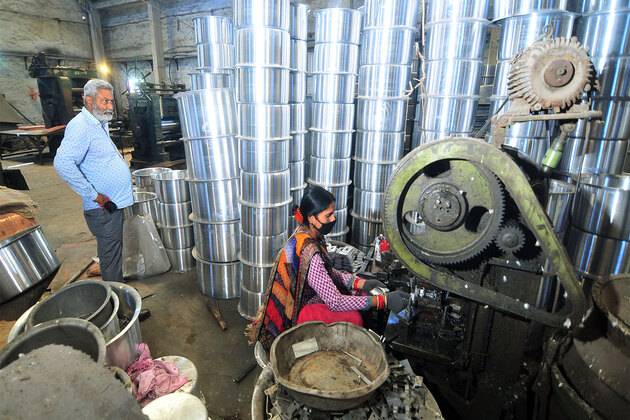
New Delhi [India], January 29 (ANI): The Economic Survey 2026 highlighted that the bank credit to Micro, Small, and Medium Enterprises...
India-EU FTA emerges as game-changer for textile manufacturing and exports
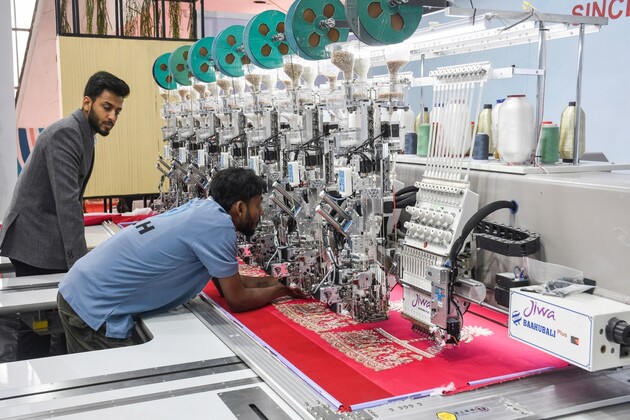
New Delhi [India], January 28 (ANI): The India-European Union Free Trade Agreement (FTA) has sparked strong optimism across India's...
"More than 1 lakh people will benefit": CM Rekha Gupta on Delhi government signing MoU with CGTMSE
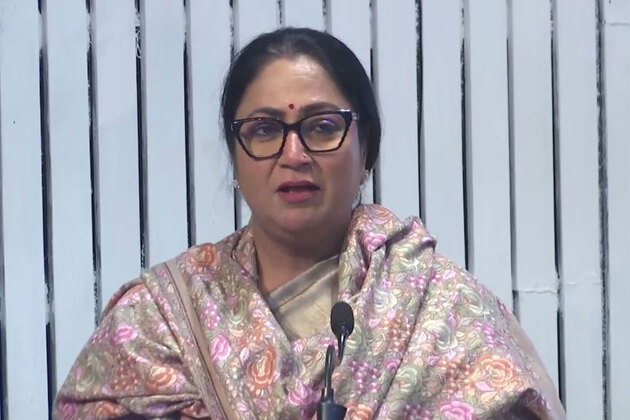
New Delhi [India], January 27 (ANI): Chief Minister Rekha Gupta on Tuesday said that the MoU signed between the Delhi government and...
India-EU FTA positions India for next-generation growth in trade, technology, green mfg
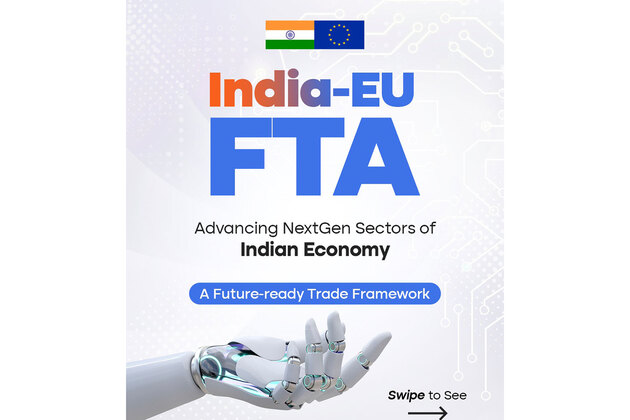
New Delhi [India], January 27 (ANI): The just-signed India-European Union Free Trade Agreement (FTA) is set to create a future-ready...
(Hello Africa) Chinese doctors restore smile, hope for Zanzibar teen through life-changing surgery
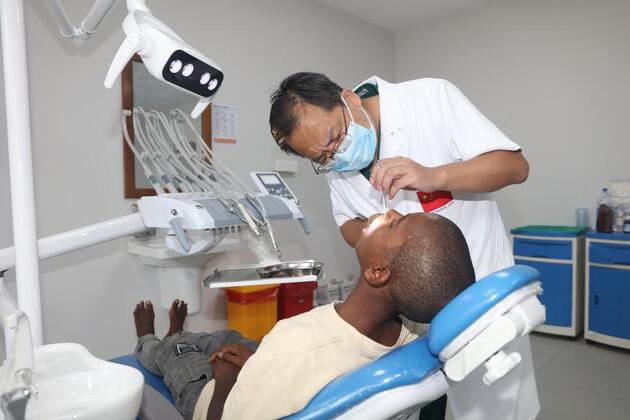
On a bright day in mid-December 2025, members of the 35th Chinese medical team in Zanzibar worked in seamless coordination, as they...
"Mother of all deals perfect example of partnership between two major economies": PM Modi on signing of India-EU Free Trade Agreement
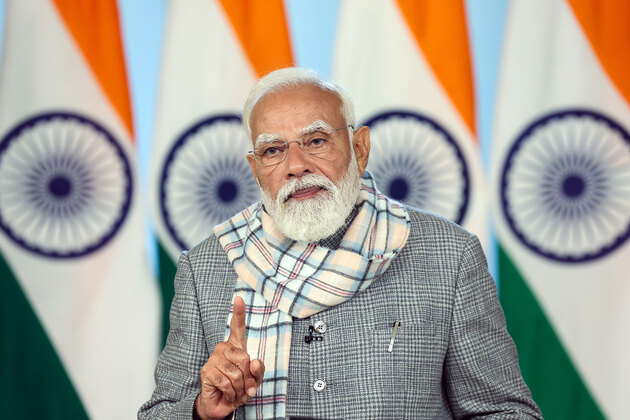
New Delhi [India], January 27 (ANI): Prime Minister Narendra Modi on Tuesday hailed the India-EU Free Trade Agreement, reiterating...
AI use surges at US workplaces, Gallup poll finds

WASHINGTON, D.C.: American workers are incorporating artificial intelligence into their jobs at a rapidly accelerating pace, with a...
India opens auto market, to slash EU car tariffs in trade deal
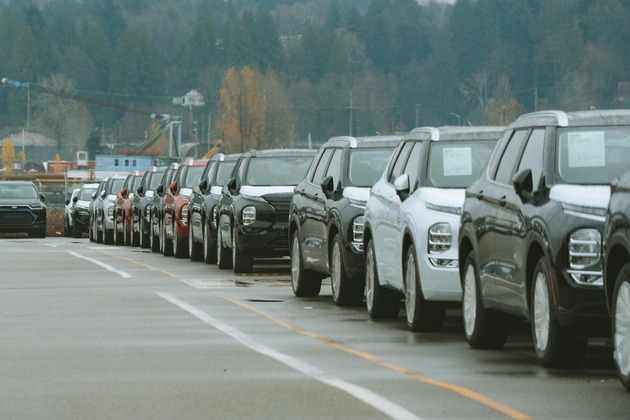
NEW DELHI/BRUSSELS: India is set to make its boldest move yet to open its tightly protected auto market, agreeing to sharply cut import...
Hyundai labour union pushes back on humanoid robot rollout
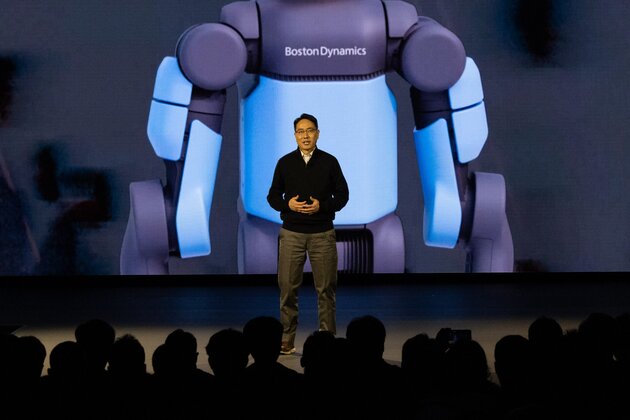
SEOUL, South Korea: Plans by Hyundai Motor to introduce humanoid robots into its factories have sparked a warning from its powerful...
140 years on, Germany's auto industry faces defining transformation
As electrification and intelligent driving technologies accelerate change, the industry faces another pivotal moment, testing whether...
Where the air smells of orders: Inside Jinhua's rise as an inland hub of China's global trade
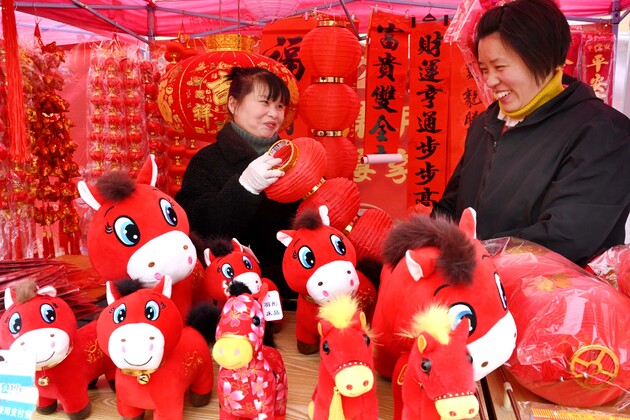
HANGZHOU, Jan. 29 (Xinhua) -- In Jinhua, an inland city in east China's Zhejiang Province, traders like to say the air smells of orders....
US lawmaker flags security, tax credit concerns over Ford's battery plans with China's CATL and possible BYD tie-up
Washington DC [US], January 29 (ANI): Chairman John Moolenaar of the Select Committee on China has written a letter to Ford Motor Company...
